Thursday, October 26, 2017

Behind the Scenes Recording Def Leppard's Pyromania

To describe the recording process for Def Leppard's 1983 powerhouse album, Pyromania, as a labor of love would be an understatement.

When you've done so many takes that the tape is falling apart, it's best described as a labor of hate.

But for the man behind the board on that amazing record, producer Robert John "Mutt" Lange, it's all par for the course as he set out to make an album the likes of which had never been heard before.

Mutt Lange is a perfectionist who knows what he wants a band to sound like, and basically stops at nothing until he gets it. And even though the then-members of Def Leppard (drummer Rick Allen, guitarists Steve Clark and Pete Willis, singer Joe Elliott and bassist Rick Savage) had all worked with Lange previously on the fantastic High N Dry record, they'd never been through the ringer like they did working on Pyromania from January-November 1982.

Just ask Leppard frontman Joe Elliott, who endured take after take - for months on end - to lay down the vocals for Pyromania.

"He's saying 'look, you can do it better'," recalled Elliott, who actually took vocal lessons from Lange's ex-wife at the time. "All you're wanting to do is go 'no, I bloody well can't. This is as good as it gets'. And (Lange) says 'Well it ain't good enough then'."

And those excessive vocal takes are the tip of the iceberg as Lange added layer upon layer of guitar, drums, bass and background vocals. In fact the recording tape had actually begun to break down by the time the album was ready for final mixes.

"It became clear from the intensity of working on a record like that, going over and over and over, blocking out backgrounds, changing arrangements, and all that. I'm surprised we ever got it finished, because the tape literally fell to pieces," said the late Mike Shipley, who engineered the record.

There were so many overdubs, so much rewinding of tape, that the oxide started coming off the tape to the point where Lange could actually see through it. In the end, all that rewinding meant a major loss of high end in the final mixes.

Leppard Loses a Member

The intense recording process certainly took a toll on the band as guitarist Pete Willis was fired in July after he showed up in the studio severely hung over from partying the previous night. Leppard were working on the "Stagefright" solo and he simply couldn't play guitar that day, so Lange told him to go home and dry out. He was fired shortly thereafter and Phil Collen was quickly recruited as Willis' replacement.

Willis still left a big mark on the record, though. He played rhythm guitar on all 10 tracks (and helped co-write "Photograph", "Too Late for Love" "Comin' Under Fire" and "Billy's Got a Gun").

It was a tough process for drummer Rick Allen as well, who was ostensibly replaced by a Fairlight instrument sampler (drum machine). The only thing Allen actually played on Pyromania were the cymbals.

In terms of the songs themselves, the band went into the studio with only a bunch of riffs. The idea was to work directly with Lange to put the songs together, and the band ended up giving him songwriting credit on every track.

Two old Leppard song ideas resurfaced on the album. The first was the main riff and intro section of "Rock! Rock! (Till You Drop)" which were taken from the 1980 track "Medicine Man' – a song they performed live during much of the 1980 'On Through The Night' tour. The second was "Too Late For Love" which was a reworking of the live song "This Ship Sails Tonight" which the band had debuted on the December 1980 club tour of England. Die Hard The Hunter's main riff was written in 1980 during the band's debut US tour.

When working on "Rock of Ages", the song didn't have any lyrics, so Elliott would just hum along with the riff. But then the band let a choir use the studio and Elliott found a hymn book they'd left behind on an organ. It was opened to the old hymn "Rock of Ages", so Elliott tried that as the chorus and Lange loved it.

All the pain Def Leppard endured was well worth it in the end. Pyromania, released on January 20, 1983, would reach No.2 on the Billboard charts and No. 4 in Canada. Heck, if it wasn't for an album called Thriller by an artist named Michael Jackson, Pyromania would have gone to No. 1 in the US. It set the standard for mainstream metal in the 1980s and has now sold more than 10 million copies.

Read about how important guitarist Steve Clark was to Def Leppard before his untimely death


Friday, October 13, 2017

How Ozzy Osbourne was Fired from Black Sabbath

It's safe to say Ozzy Osbourne was blindsided when he was unceremoniously fired from Black Sabbath.

After all, he and guitarist Tony Iommi, bassist Geezer Butler and drummer Bill Ward had been at it since 1968, recorded several multi-platinum albums and sold out tour after tour.

But by 1979, the wheels were falling off in a haze of cocaine and alcohol abuse, as infighting became more and more prevalent while the band worked on the follow up to 1978's underrated Never Say Die album, which basically bombed. Tensions between band-leader Iommi and Osbourne were at an all-time high as the guitarist and taskmaster constantly asked a perpetually drunken Ozzy to redo his vocals. Over and over.

Then, on April 27, 1979, Ozzy was officially fired and his best friend in the band, Ward, was chosen as the deliverer of the bad news.

"I was loaded... but then I was loaded all the time," said Ozzy in his book I Am Ozzy. "It was obvious that Bill had been sent by the others, because he wasn't the firing type. I can’t remember exactly what he said to me. We haven’t talked about it since. But the gist was that Tony thought I was a pissed, coked-up loser and a waste of time for everyone concerned. To be honest with you, it felt like he was finally getting his revenge for me walking out. And it didn’t come as a complete surprise: I’d had the feeling in the studio for a while that Tony was trying to wind me up by getting me to sing takes over and over again, even though there was nothing wrong with the first one."

Accordingly the reason why Ozzy was fired from Black Sabbath was because he'd become too unreliable and was continually wasted, which is true, and Ozzy will be the first to admit it. Evidence of his unreliability was evident on the "Never Say Die" tour, when Ozzy missed a show in Nashville after he crashed following a cocaine binge that saw him up for three days straight. When the band checked into the hotel in Nashville, Ozzy somehow wound up going to sleep in the wrong room, and never got the call to wake up and get down to the gig.

In fact Ozzy slept for 24 hours, missed the show and had everyone searching up and down Nashville for him.

Ozzy Felt Betrayed by Sabbath Bandmates

Despite his egregious errors, the frontman still felt betrayed by his bandmates when the axe came down.

But I’d be lying if I said I didn’t feel betrayed by what happened with Black Sabbath," said recalled Ozzy in his book. "We weren’t some manufactured boy band whose members were expendable. We were four blokes from the same town who’d grown up together a few streets apart. We were like a family, like brothers. And firing me for being fucked up was hypocritical bullshit."

Indeed, Iommi, bassist Geezer Butler and Bill Ward all had substance abuse issues at the time, but Ozzy was the guy who got the boot.

In a way for Ozzy, it was a blessing in disguise as he went on to a monster solo career after discovering guitarist Randy Rhoads and going on to record Blizzard of Ozz and Diary of a Madman in 1980 and 1981 respectively.

The only thing Ozzy wishes about being fired, and the band continuing with Ronnie James Dio on vocals, was that they would have called it Black Sabbath II.

Check out the making and recording of Sabbath Bloody Sabbath and how a single riff saved Black Sabbath


Black Sabbath's "Sabotage": Anger Provides Inspiration

Not all, but many Black Sabbath fans point to the phenomenal Sabotage as the Birmingham band's best album.

The interesting thing is how that progressive and doomy 1975 record was created: Out of turmoil, lawsuits and copious amounts of drugs.

Coming off their highly successful "Sabbath Bloody Sabbath" album, the band became immersed in a series of lawsuits (starting in 1974) while trying to split from former manager Patrick Meehan, who had been ripping off Sabbath members pretty much since Day 1. According to bassist Geezer Butler, Meehan was trying to stop them recording and attempting to freeze all their assets.

To put it in context, Tony Iommi, Ozzy Osbourne, Bill Ward and Geezer Butler were, then, just four lads from Birmingham who came from the poorest side of the tracks. Any cash they got up that point was gravy to them. They knew absolutely nothing about publishing rights and songwriting royalties. And they were taken with Meehan's charm and worldly knowledge. To his credit, he did take the band to the top, but stole a bunch of money along the way.

"Meehan talked a good talk," said Iommi. Osbourne has said publicly that "Patrick Meehan never gave you a straight answer when you asked him how much dough you were making."

Butler: "We felt like we were being ripped off"

And, as Butler said, "We felt we were being ripped off."

Hence Sabbath's decision to part ways with Meehan, but he wasn't about to relinquish control over his golden goose. That's when the litigation began.

The lawsuits were taking a toll, so much so, that writs and subpoenas would be handed out in London's Morgan Studios as Sabbath was working on the record.

"We used to turn up at the studio to go and write a song, and there would be like three lawyers waiting for us to put subpoenas on us, stuff like that," said Geezer Butler on bravewords.com. "It took us about ten months to do the album because of all the interruptions we were having."

Sabbath chose the title because they felt like all their efforts were being sabotaged, and the turmoil they were going through brought about an angry tone to the album, that hadn't really been on any of their previous work.

The nearly 10-minute track "Megalomania" is, lyrically, a song about the torment and frustration the band was going through because of Meehan.

With an evil, angry tone and a killer guitar riff, "Megalomania" is, indeed, like a "trip that's inside a separate mind" that explores going through hell and emerging with your freedom intact.

The Writ Takes Aim at Meehan

Then there's "The Writ", an ode to the writs coming at them in the studio. Osbourne's lyrics (yes he wrote them on that song, according to Butler), take square aim at Meehan ("Are you metal, are you man? You've changed a lot since you began. Yeah, began...You bought and sold me with your lying words...."), and Ozzy's manic vocals are full of fury. The end result is one of Sabbath's heaviest and best songs.

In his must-read book I am Ozzy, Osbourne describes what he was feeling as he penned the angry lyrics for "The Writ": "I wrote most of lyrics myself, which felt a bit like seeing a shrink. All the anger I felt towards Meehan came pouring out."

Despite all the strife and tension, Sabbath emerged with Sabotage, a brilliant album that set the table for thrash metal and has stood the test of time as one of their best records - indeed one of the best metal albums of all time.

Sabbath was able to sever the ties with Meehan, but they paid him out. Between that and the legal bills, there wasn't much cash left. But at least they were free.

Tuesday, September 26, 2017

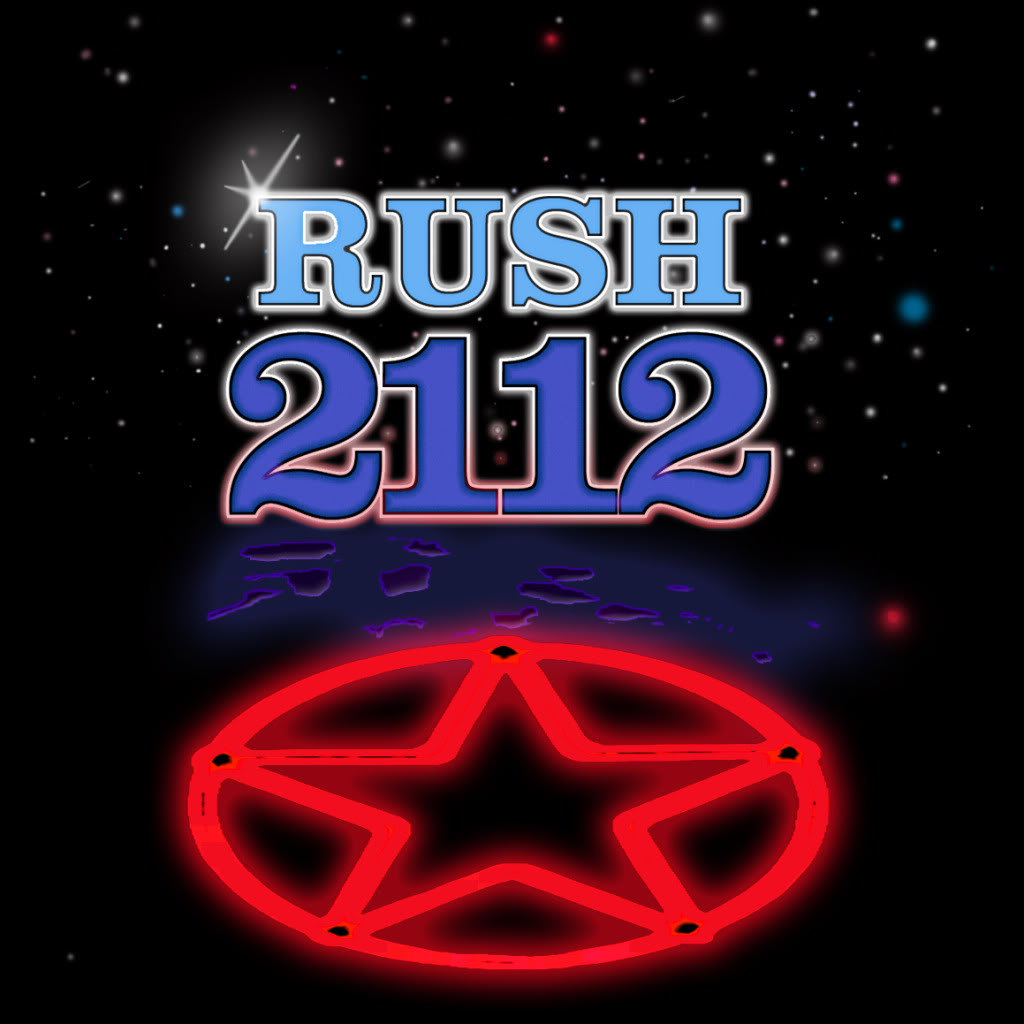
How the Individual Triumphed for Rush with 2112

For the Canadian power trio Rush, you could say their landmark album 2112 was not only the record that saved them from rock 'n roll oblivion, but it was also a testament to what a band can do when they stick to their guns.

It all starts back in late 1975-early 1976, following the disappointing sales of Caress of Steel, Rush's meandering, conceptual predecessor to 2112. Because it was a veritable commercial flop, drummer Neil Peart, bassist/vocalist Geddy Lee and guitarist Alex Lifeson were given an ultimatum from their record company back then, Mercury Records: Produce a hit album, or find another career path.

"There was a great deal of pressure on the band at that time from the record company, from management, to maybe take a couple of steps back and think about where (we're) going," said Lifeson.

In fact, the band's then-manager, Ray Daniels, and producer Terry Brown, had a meeting with the label, which had Cliff Burnstein (who now helps manage Metallica under his company Q Prime) working in marketing. They wanted to drop Rush from the label, but Daniels assured Mercury Records the Caress of Steel follow up would be more commercial and less of a concept album.

"We got out of Chicago with the deal intact for one more record, breathed a sigh of relief, and then it was up to Terry and the band what they were going to deliver," said Daniels, who later managed Van Halen and Extreme.

As for the members of Rush themselves, when they heard what was going down with the ultimatum from their label, they didn't cave. In fact, their reaction was to do what any self-respecting rock band would do.

"We got mad, you know. We got angry. We thought 'screw it. If this is our last shot, we're gonna do it. We're gonna do it our way'," said Peart. "I felt this great sense of injustice that this mass was coming down on us and telling us to compromise. Compromise was a word that I couldn't deal with. I was a child of the 60s.... an individualist."

This time they got it right with the concept about individualism vs collectivism in the epic title track, which filled the entire first side of the 2112 album. The second side is a collection of separate, but great, songs.

Many at Mercury Records Didn't Like 2112

However, when it was time for the record execs at Mercury to hear the album for the first time, they were less than impressed.

"Ray Daniels actually brought the record into Mercury and we all sat in the conference room and listened to it," recalled Burnstein. "The general feeling in the office was 'we're in trouble. This is exactly what we don't need'."

But for the band, it was very well-received by fans and music listeners, and, despite an ignorant backlash from mainstream media at the time regarding the idea of 2112, the album was a major hit, going multi platinum in both the U.S. and Canada.

2112 was the seminal album for Rush. It helped define their sound and it helped them move forward as musicians to build on their legacy which includes so many amazing albums like Hemispheres, Moving Pictures and Permanent Waves.

"2112 was the beginning of everything for us and, without which, nothing," said Peart.

The album is listed as the No. 22 greatest progressive rock album of all time according to a Rolling Stone Magazine list.

Check out another epic progressive rock album in Pink Floyd's Wish You Were Here: Absence and Disillusionment

Tuesday, September 12, 2017

Five of the Most Underrated Metallica Songs

To date, Metallica has released 10 studio albums and, along the way, have gained millions of new fans but lost a few on the way as well. Certainly Metallica has written many well known songs such as "Enter Sandman", "Master of Puppets" and "One", but among their vast catalogue are many jewels buried behind those more popular tracks. Here are five of Metallica's most underrated songs, which could be a 20-songs long (see playlist below):

The Call of Ktulu (From Ride the Lightning)

Found as the last song on Metallica's sophomore album, "The Call of Ktulu" blends dark atmosphere with melody and the bass-mastery of the late Cliff Burton. Coming in at 8:53, Ktulu is an instrumental that has to rank as one of the best metal instrumentals ever laid down. The song draws its inspiration from the pen of horror writer H.P. Lovecraft, who wrote of a mythical figure, Cthulhu, in the short story "The Call of Cthulhu". Metallica also use Cthulu as a muse for "The Thing that Should Not Be" and "Dream No More" off Hardwired. . . To Self Destruct.

The Outlaw Torn (from Load)

Crammed in as the last song from 1996's Load album is The Outlaw Torn, boasting a massive James Hetfield riff and some stellar bass playing from Jason Newsted. For "The Outlaw Torn", it's all about groove over speed, with an amazing vocal delivery of anguish from Hetfield, particularly during the chorus. Written by Hetfield and Lars Ulrich, it's only been played live 13 times to date (the S&M version is absolutely killer). Interestingly, Hetfield plays the outro solo, which has to fade out because it was too long for the 78 minutes of music a CD could store.

My Friend of Misery (from Metallica)

Granted the first time I heard "My Friend of Misery", I thought it was a throwaway song, filler for the Black Album. But after more and more listens, I came to realize it's a powerhouse, progressive track. It's got a fantastic groove for the verses with a really nice acoustic guitar part that's rather buried in the mix, which certainly adds to the feel. It also happens to be one of the few songs bassist Jason Newsted got credit for writing.

Fixxxer (from Reload)

A song Metallica has never played live, Fixxxer is found buried as the very last song on 1997's Reload album. However, it's worthy of being the second or third song on that record. On James Hetfield's handwritten lyrics from June 4, 1997, he actually titles it "The Fixxxer" and for him the lyrics are very personal, dealing with his childhood and parents ("Can you heal what father's done? Or fix this hole in a mother's son")and how alcohol numbs the pain of the "pins". Like "The Outlaw Torn", the song fades in, then slams you in the face with the main riff. It really is a shame Metallica has never played this song live.

Lords of Summer (from Hardwired. . . To Self Destruct)

Kind of lost on the latest Metallica album is "Lords of Summer", which opens the third side of the deluxe edition collection. Hetfield's riff, as usual, carries this galloping gem. It's a just a good, old-fashioned, straight-up Metallica song the band debuted in 2014 at a concert in Bogota, Colombia.


Metallica's Most Underrated Songs Playlist

Check out why James Hetfield wasn't a fan of Metallica's mid-1990s look